Object Lesson: Katherine Choy’s Textiles as “Complete Expression”

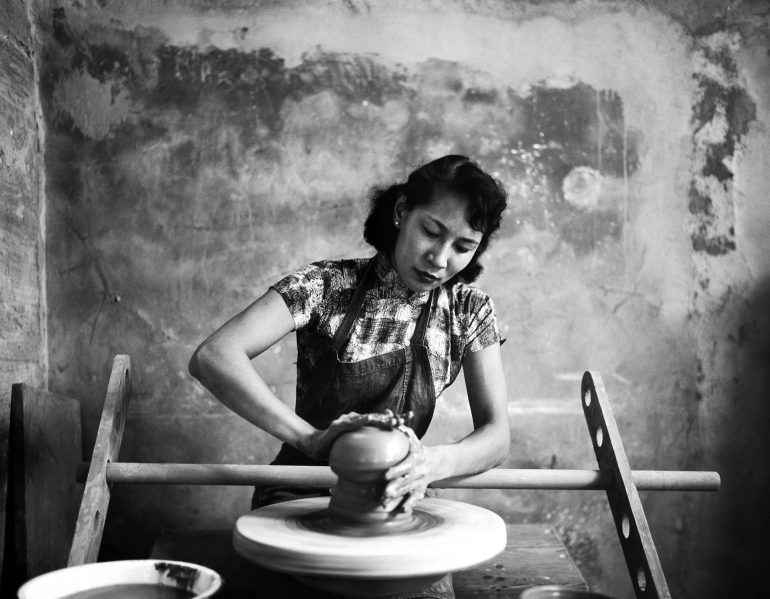
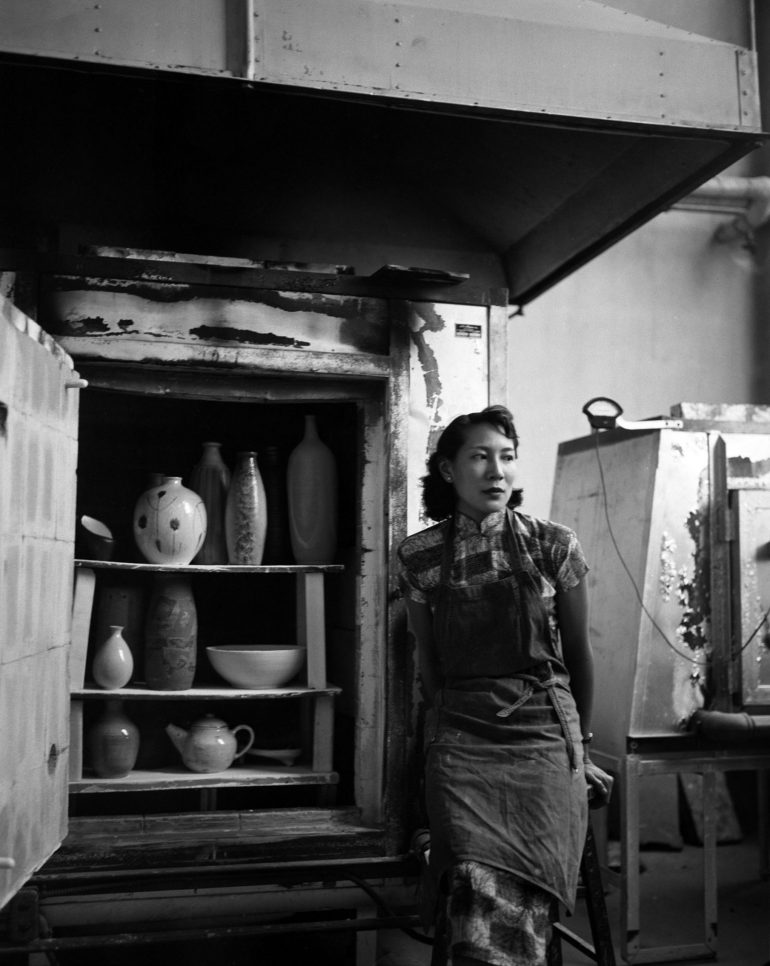
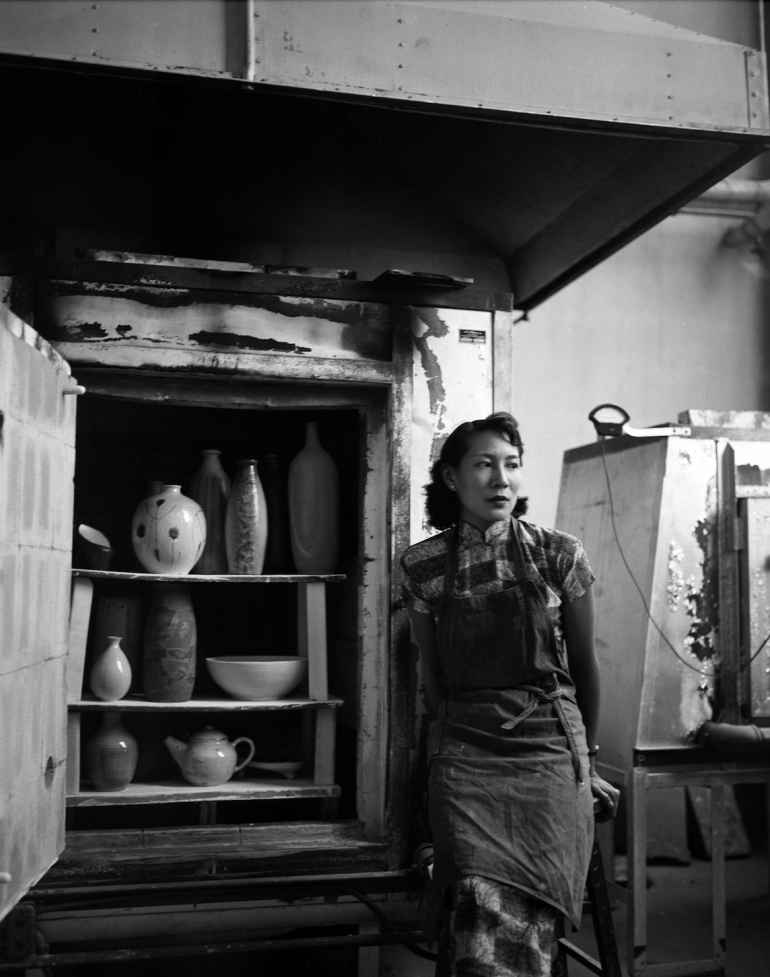
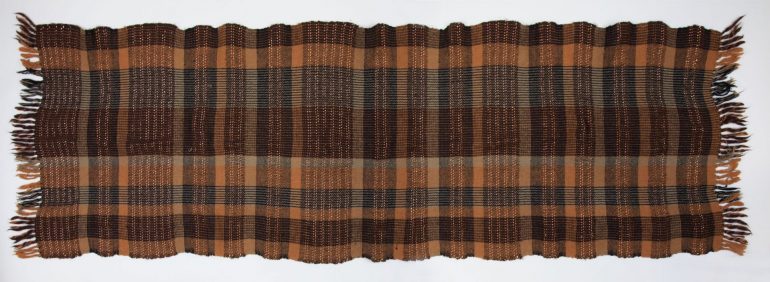
NOMA’s exhibition Katherine Choy: Radical Potter in 1950s New Orleans primarily examines distinctive pots made by Katherine Choy, a national leader in evolving ceramics from utilitarian objects into the purview of expressive fine art. While Choy’s radical work in pottery and her founding of the Clay Art Center in New York will be the lasting legacy of her short career, the artist also made award-winning enamels and had an active career in textile design.  Read More

NOMA Presents Katherine Choy: Radical Potter in 1950s New Orleans

The New Orleans Museum of Art (NOMA) presents Katherine Choy: Radical Potter in 1950s New Orleans, on view now through April 23, 2023. An innovative artist in a number of mediums, Katherine Choy (American, b. China 1927–1958) developed radical ceramic work that was distinctively her own. In her short mid-1950s career in New Orleans, Choy was a national leader in evolving ceramics from utilitarian objects into the purview of expressive fine art. Read More

Object Lesson: Doyle Lane

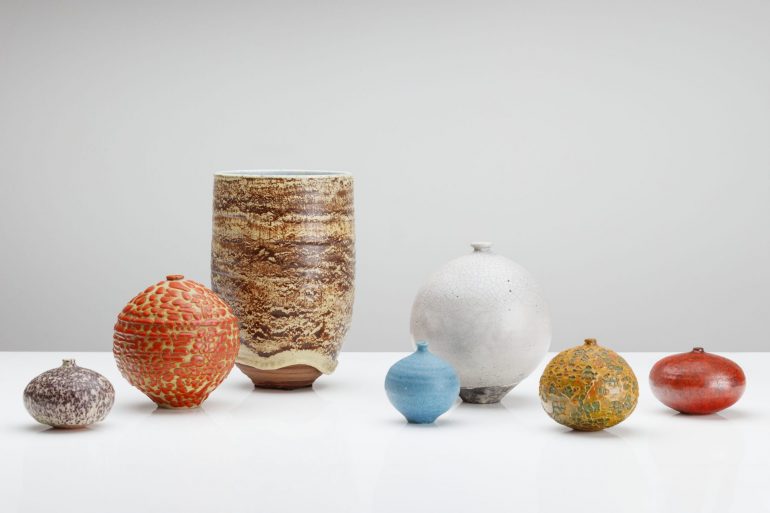
Vibrant glazes bubble lusciously, crack sharply, and drip dangerously off the edges of these meticulous little “Weed” Pots by Doyle Lane. In late 2021, the New Orleans Museum of Art welcomed into the permanent collection these seven extraordinary works by Doyle Lane, including two that come as a gift from NOMA Director Emeritus John Bullard’s exemplary collection of American Studio ceramics. These pots become the first works by the celebrated Black Los Angeles potter to join a public collection in the artist’s birth city. Read More

NOMA Awarded Curatorial Intern Grant from the Decorative Arts Trust

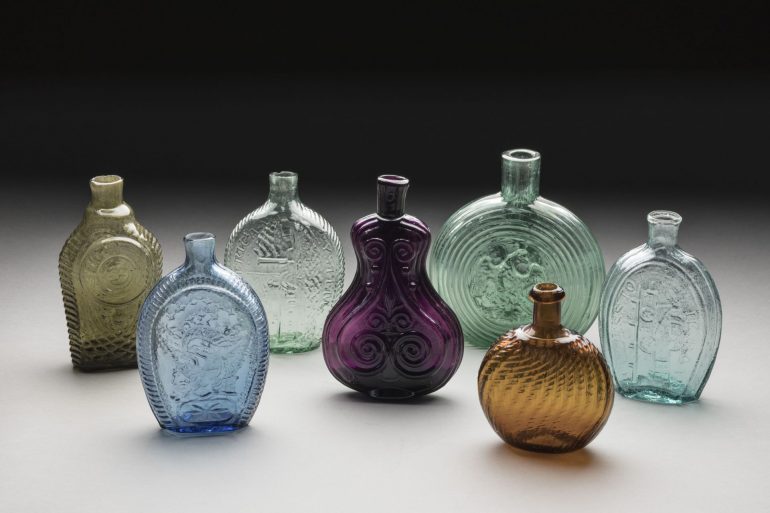
The New Orleans Museum of Art (NOMA) has been announced as the Decorative Arts Trust’s 2022–2024 Curatorial Internship partner. The significant grant, awarded from the Decorative Arts Trust, will support a two-year Curatorial Fellow who will learn about the responsibilities of the curatorial field while working with the NOMA’s esteemed Decorative Arts and growing Design collection, focusing specifically in the area of glass. Read More
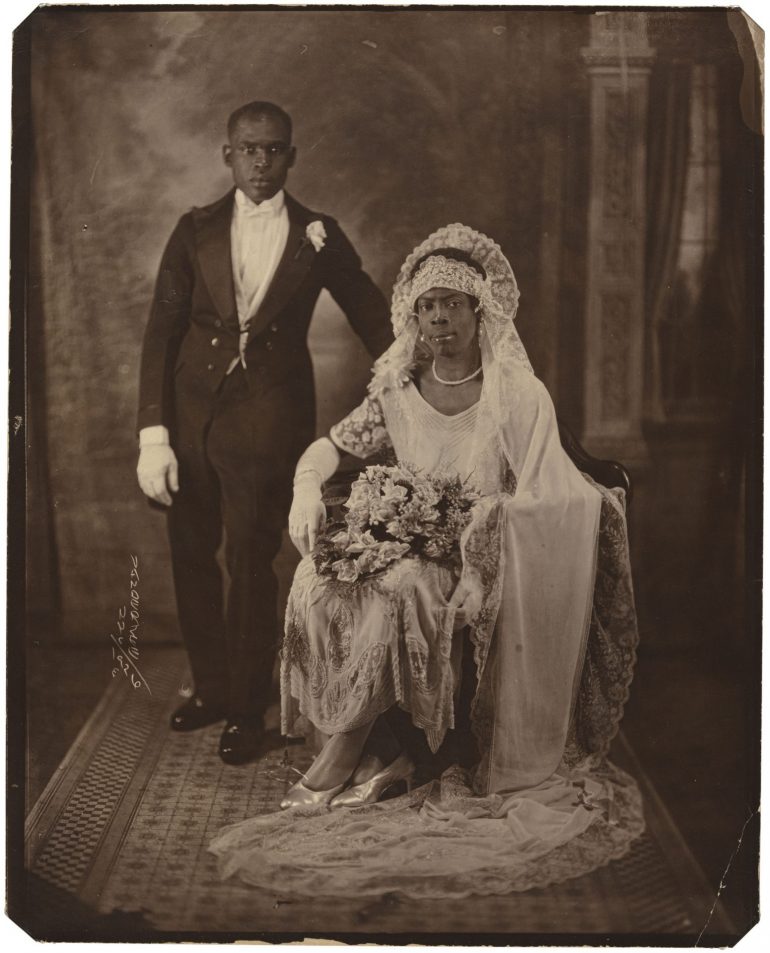
Called to the Camera: Black American Studio Photographers

From photography’s beginnings in the United States, Black studio photographers operated on the developing edge of the medium to produce beautiful portraits for their clients, while also making a variety of other photographic work in keeping with important movements like pictorialism, modernism, and abstraction. Called to the Camera illustrates the artistic virtuosity, social significance, and political impact of Black photographers working in commercial portrait studios during photography’s first century. Read More

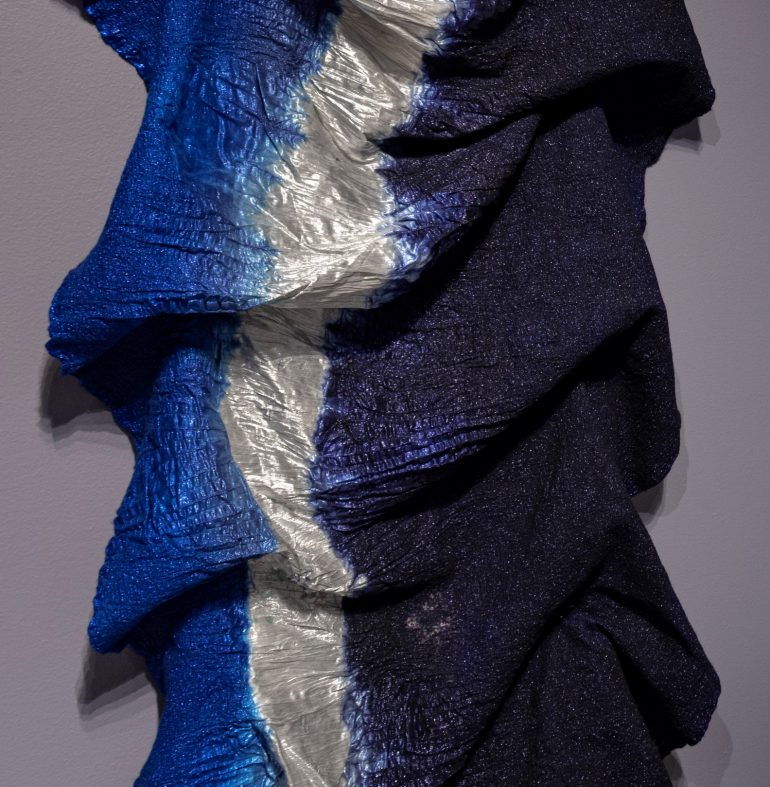
Object Lesson: Junichi Arai

Innovative fabrics that can be blunt like concrete or ethereal like clouds sprung from the imagination of Japanese designer Junichi Arai, but were made possible through studied innovation and technological experimentation. A shimmering blue and silver textile by the artist is currently on view at NOMA in the exhibition Atomic Number 13: Aluminum in 20th-Century Design, representing the metal’s role in artistic experimentation by the end of the century.  Read More

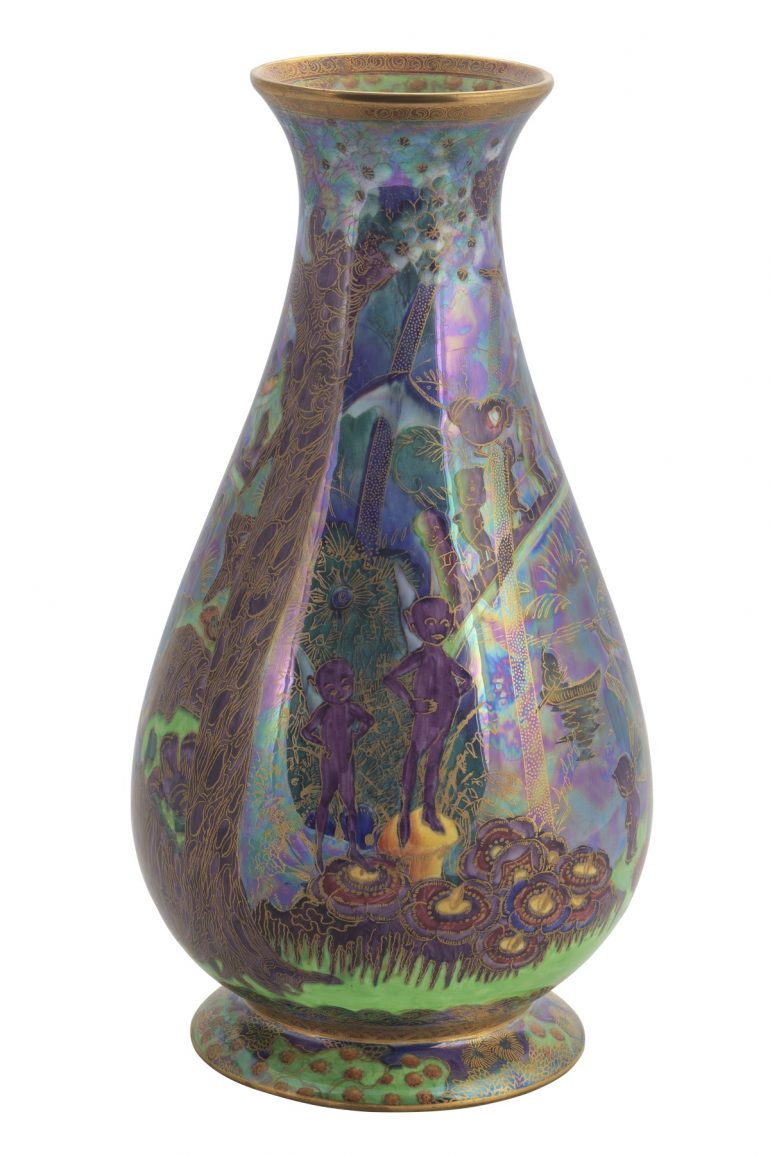
Object Lesson: Fairyland Lusterware

Wild stories from the imagination of designer Daisy Makeig-Jones come alive on this metallic-glazed “Fairyland Lusterware” vase from NOMA’s collection. This enchanting, and sometimes very strange, luxury porcelain was manufactured by England’s centuries-old Wedgwood ceramic factory. Combining whimsical children’s illustrations with advancements in iridescent glaze chemistry Fairyland Luster became enormously popular in the 1920s. Read More

Katherine Choy: Radical Potter in 1950s New Orleans

Katherine Choy: Radical Potter in 1950s New Orleans mines New Orleans archives and gathers oral histories in the first monographic review of an artist that was celebrated by the 1950s American craft world. NOMA’s exhibition is the first presentation of Choy’s extraordinary ceramics in New Orleans since the artist’s Louisiana friends mounted the Katherine Choy Memorial Show at the Orleans Gallery in fall 1959. Read More

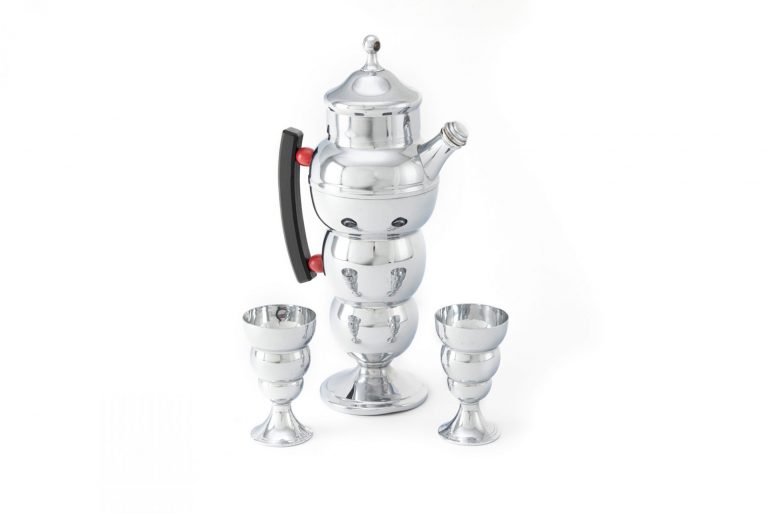
Object Lesson: Prohibition-Era Cocktail Shakers

The distinctive swishing, clinking sound of ice cubes and liquid jostling inside a cocktail shaker is a joyful part of mixing up a daiquiri or a French 75. NOMA’s collection includes two American chrome cocktail shakers that date from around 1930, during an era known for the prohibition of alcohol in the United States. But with some irony, the Prohibition era slo saw Americans drinking more distilled liquor than they ever had before. Read More

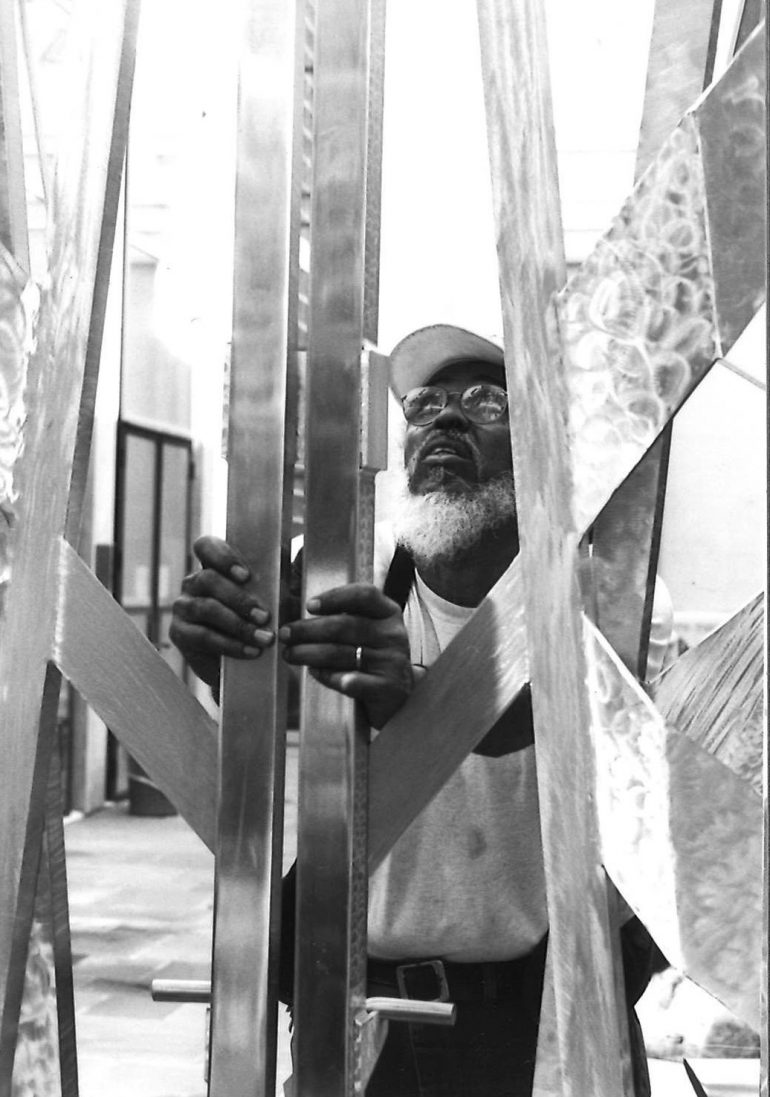
Object Lesson: Spirit Gates by John T. Scott

Facing the greenery of City Park, the majestic Spirit Gates at NOMA stand as a testament to centuries of artistic achievement by Black artists in New Orleans. While the gates poetically celebrate the city’s jazz traditions and ironwork craft, in this artwork John T. Scott also addressed a history of racial segregation in the City Park, and by extension, the New Orleans Museum of Art. Read More

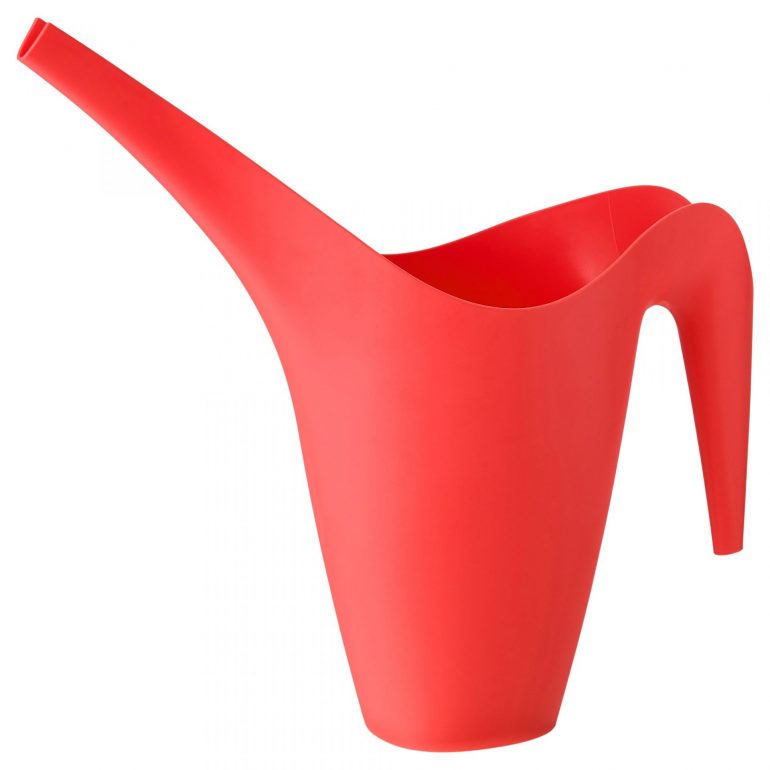
A red IKEA watering can designed by Monika Mulder

Object Lesson: IKEA Vållö Watering Can

In 2002, the Vållö watering can’s designer, Monika Mulder, was asked to solve a clunky logistics issue. Her result is a graceful work of art. The challenge was that a standard watering can’s handle, pouring spout, and cavity take up a large volume of space. For IKEA, a company organized around the principle of using thoughtful design to address shipping efficiency in furniture, this excess volume was a big deal. The design request was for a watering can that could be stacked, one within another, which saved tremendously on international transportation costs. Read More

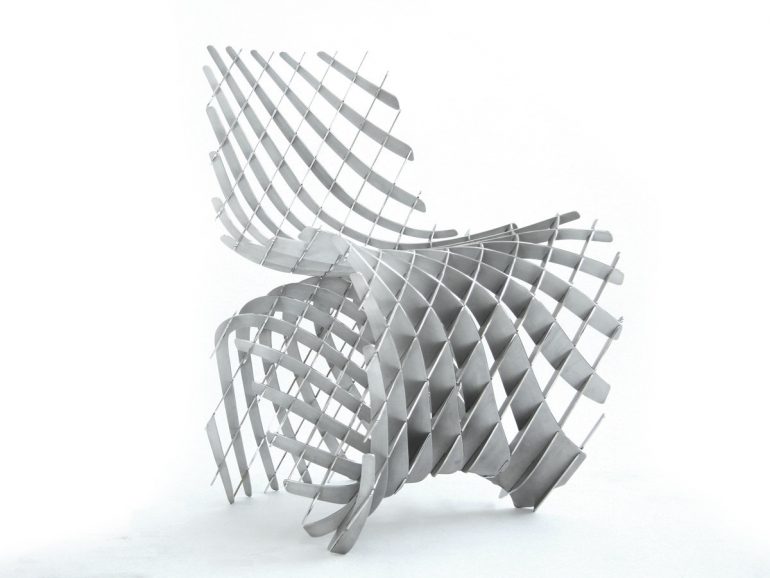
Object Lesson: Maker Chair by Joris Laarman

When chemists first successfully extracted aluminum from the earth in the 1850s, the raw element was as precious as gold. Today we take aluminum for granted, though it allows for nearly every facet of modern life through its use in architecture, industry, and transportation. From the nineteenth century until today, artists and designers have increasingly turned to aluminum because its unique properties–lightweight, strong, can be pressed thin, resistant to corrosion–allow for the exploration of new ideas through objects. Read More

Object Lesson: Corning “Lens” Bowl

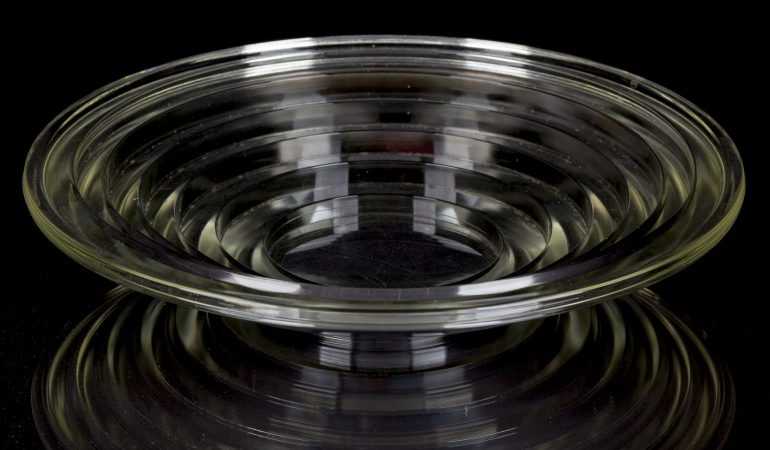
An unadorned glass bowl displayed in NOMA’s decorative arts galleries was made in 1932 directly from the factory mold of a Corning Glass Company locomotive-headlight lens. The “Lens” Bowl is part of the important Modern design movement that openly paid tribute to new materials and thoughtful industrial production. Read More