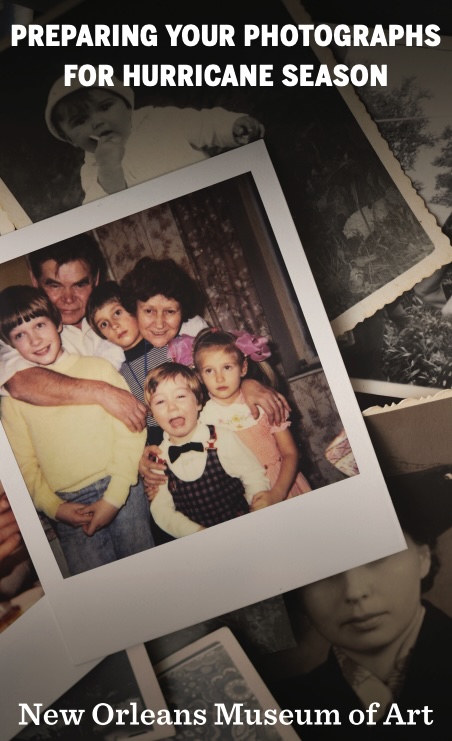
“Preparing Your Photos for Hurricane Season” Guide Now Available
Download a free guide developed by NOMA conservator Nayla Maaruf for preserving family photos ahead of hurricane season. Read More
Download a free guide developed by NOMA conservator Nayla Maaruf for preserving family photos ahead of hurricane season. Read More
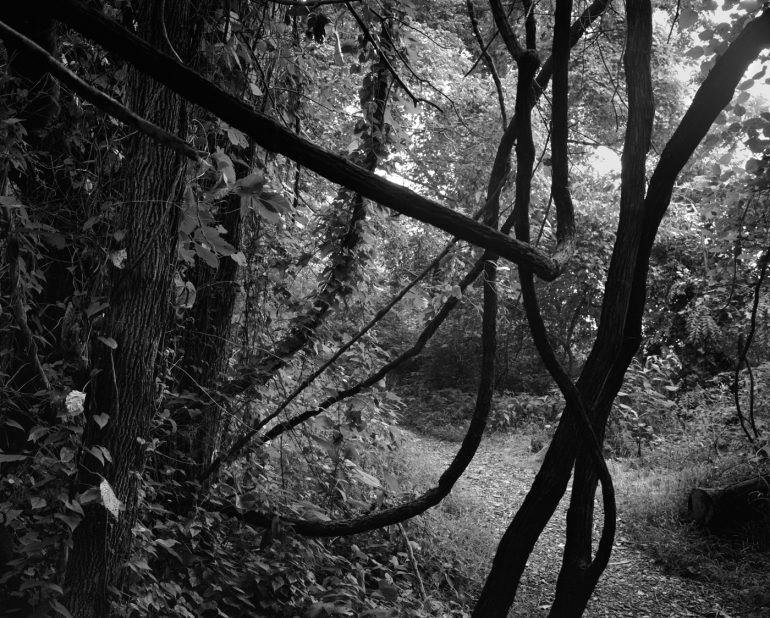
This month, the New Orleans Museum of Art (NOMA) opens the highly anticipated exhibition Dawoud Bey: Elegy, on view at the museum September 26, 2025—January 4, 2026. A profound exploration of early experiences of African Americans in the United States, the groundbreaking survey, organized by the Virginia Museum of Fine Arts, marks the comprehensive exhibition of three photographic series and two film installations by renowned contemporary artist Dawoud Bey. Read More
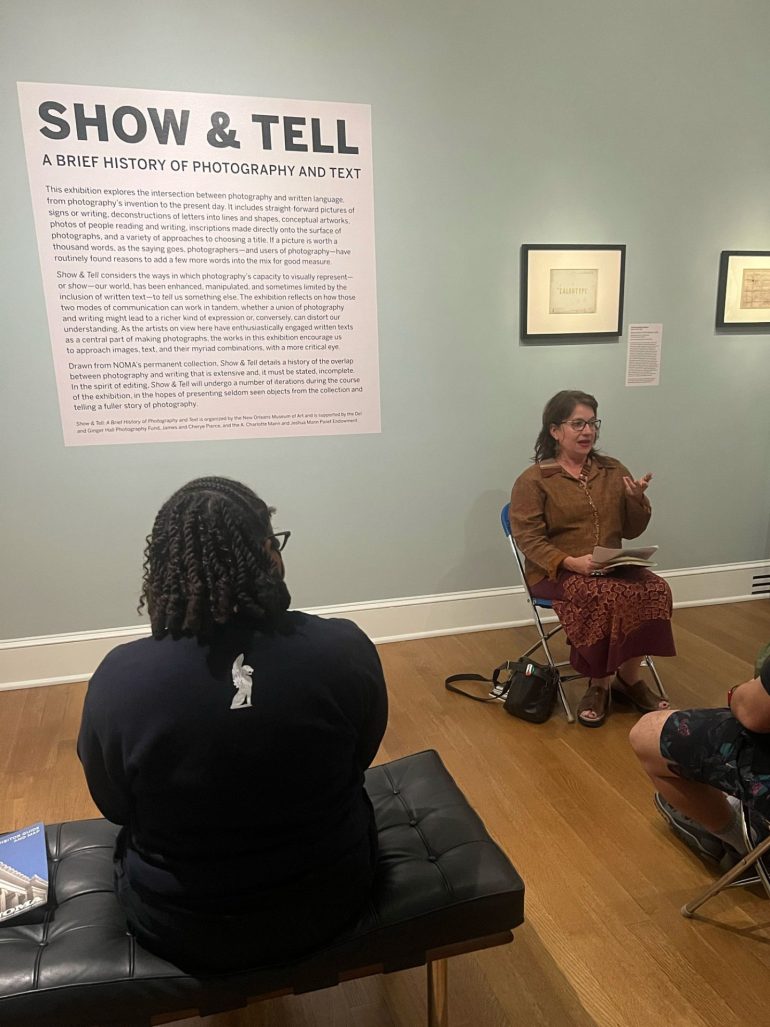
On March 12th, surrounded by images with text and text about those images, I gave a gallery talk for the closing of Show & Tell: A Brief History of Photography… Read More
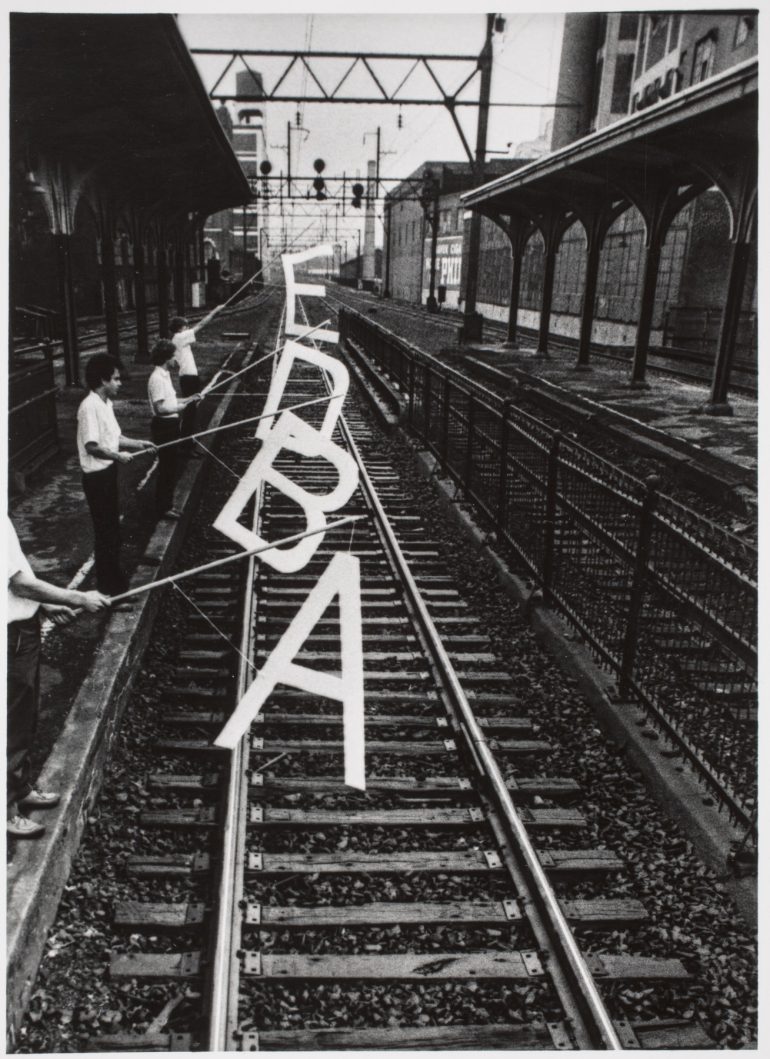
On December 11th, NOMA’s Freeman Family Curator of Photographs, Prints, and Drawings, Brian Piper, opened up the floor for a tour and conversation on Show & Tell: A Brief History… Read More

Featured in NOMA’s exhibition Atomic Number Thirteen: Aluminum in 20th-Century Design, this portrait by Margaret Bourke-White illustrates the hard labor involved in aluminum production. Bourke-White was the first woman war correspondent and the first woman photographer to work for Life magazine. Her photograph of the Fort Peck Dam appeared on the cover of Life’s first issue in 1936, one year after she was featured in a monographic exhibition at NOMA. Read More
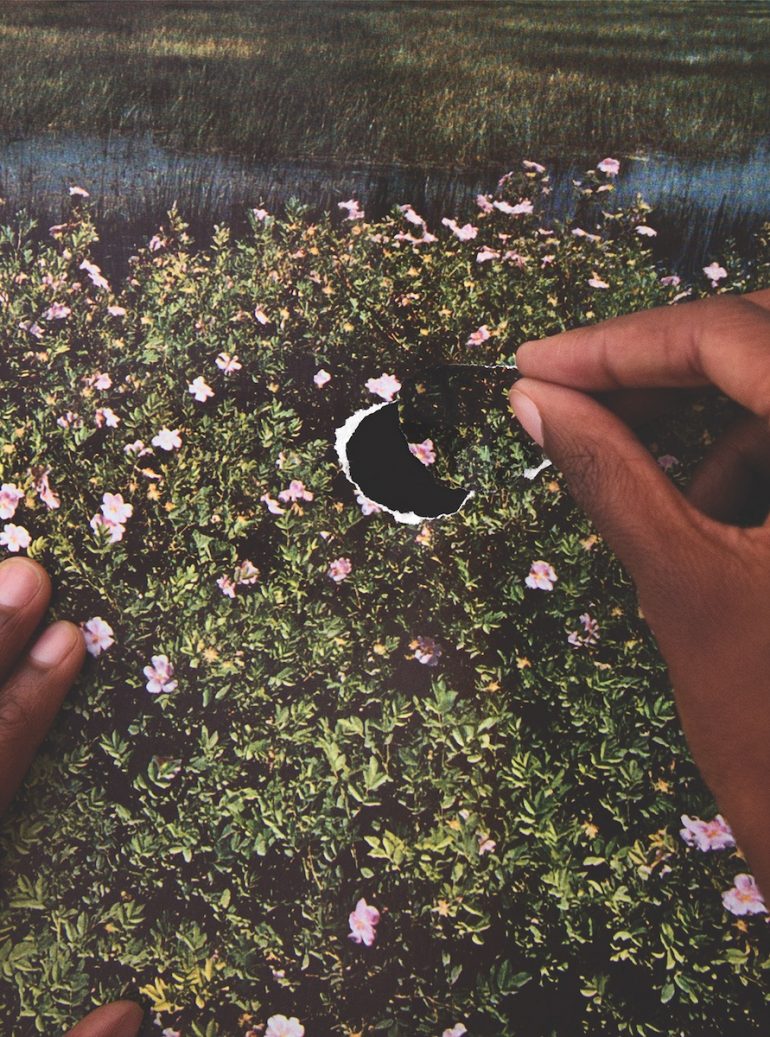
As spring blooms in New Orleans, our attention turns towards the environment, sustainability, and climate change. Photographer Dionne Lee (American, b. 1988) considers these themes through lenses of representation, power, and personal history in the context of the American landscape. Read More
Gordon Parks famously stated that photography was his “choice of weapons” against racism, intolerance, and poverty. While photographs have certainly been used to document and advance social justice causes in the past, the use of photography in recent protest movements has demonstrated one of the dangers of the medium. While protest photographs have amplified these movements’ messages and visibility, those very same photographs have been used against their makers by other authorities. This panel explored the new emerging chapter in the ethics of photography, considering how the digital, social world has made photography an instantaneous and global “weapon” that can slip easily from one hand to another, and offering guidance on ethical and inclusive approaches to protest photography. Read More
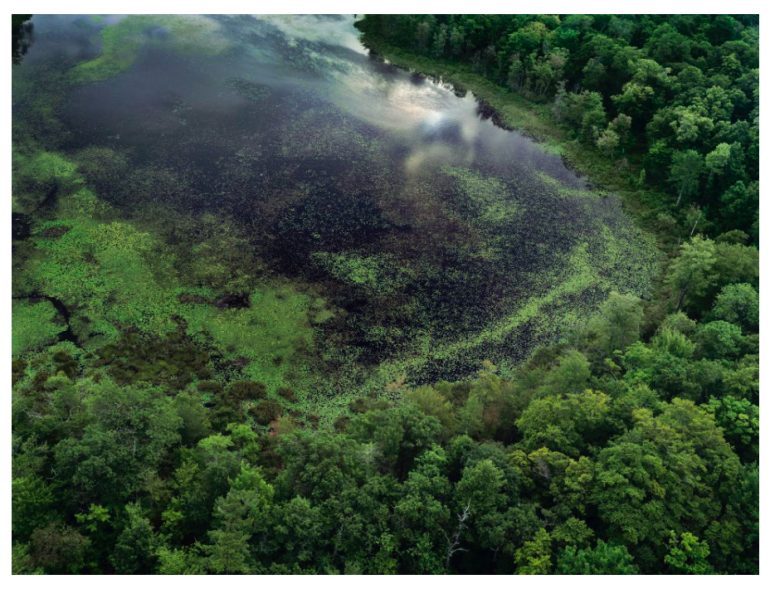
To create the works in his project WATER, Edward Burtynsky (Canadian, born 1955) travelled around the globe, from the Gulf of Mexico to the shores of the Ganges, weaving together an ambitious representation of water’s increasingly fragmented lifecycle. In enormous, color, aerial images, many bordering on the edge of complete abstraction, Burtynsky traces the various roles that water plays in modern life—as a source of healthy ecosystems and energy, as a key element in cultural and religious rituals, and as a rapidly depleting resource. Read More
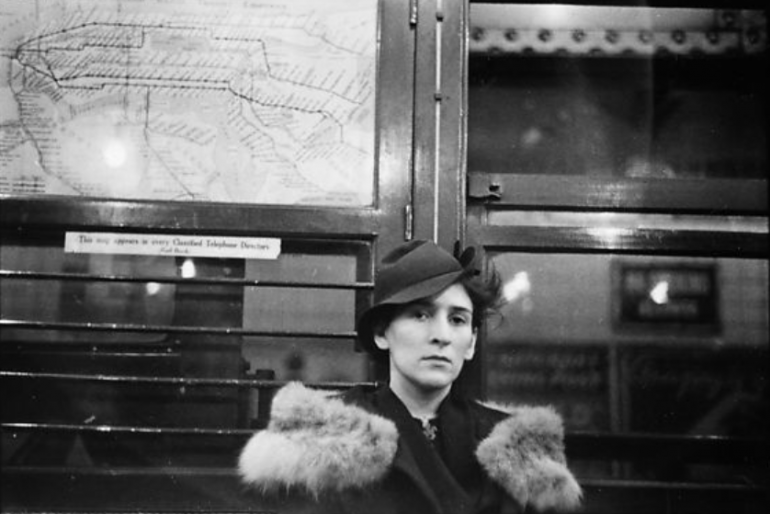
NOMA honors the life and achievements of sculptor Lin Emery, one of New Orleans’ most beloved and accomplished artists. Internationally recognized for her lyrical, reflective sculptures, Lin was a vital part of New Orleans’ creative community. Read More
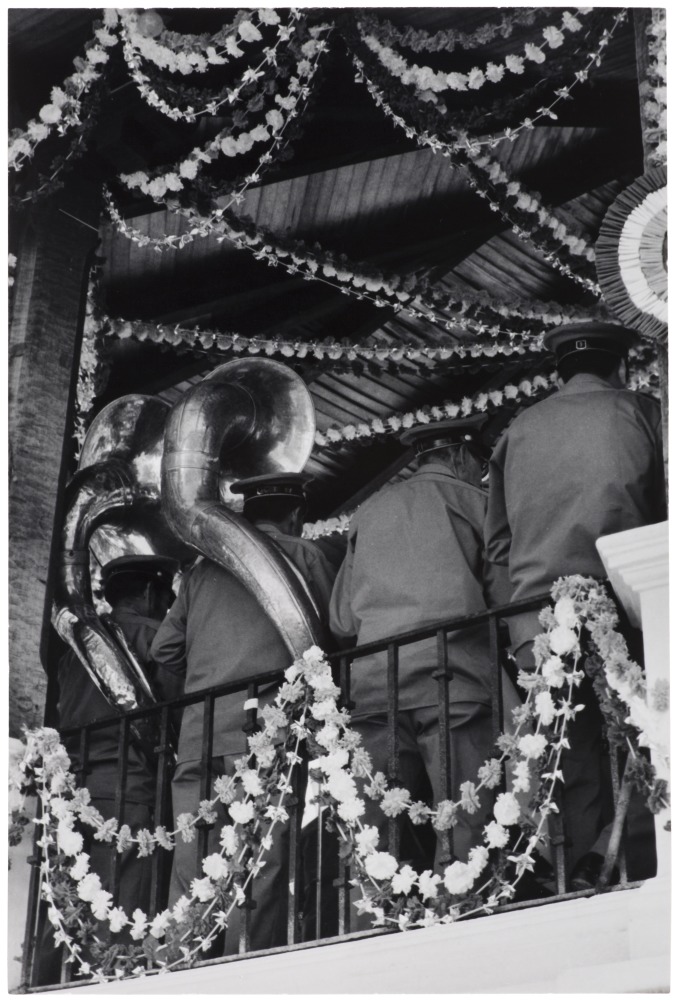
Lola Alvarez Bravo (Mexican, 1903-1993) stands outs as one of the most important photographers of the twentieth century, whose work remains regrettably underappreciated around the world. Read More
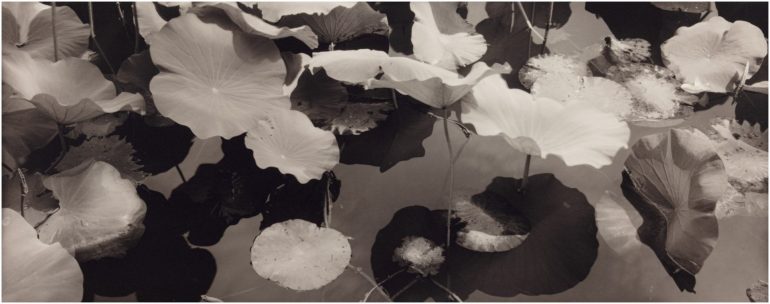
Distinguished collectors Cherye R. and James (Jim) F. Pierce have gifted more than 260 photographs by master art photographers, ranging from the nineteenth-century to the present, to the New Orleans Museum of Art (NOMA). Read More
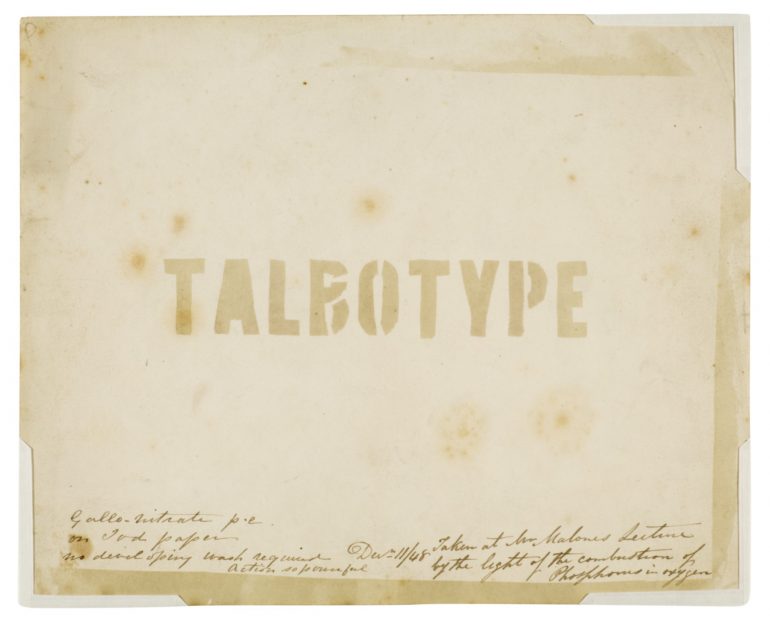
Malone’s demonstration piece, believed to be one of a kind, then, is a strange but wonderfully conceptual work from early photography. As a photograph that consists of nothing but the word “Talbotype,” this work gives us photography twice over—that is, in word and in image. Read More
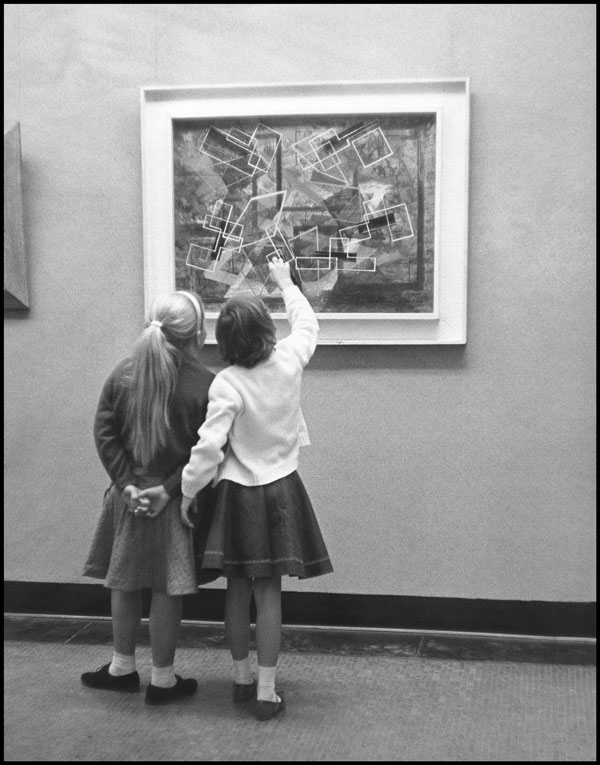
The New Orleans Museum of Art announces a major fund and pledged endowment by Del and Ginger Hall of Chicago, Illinois, in support of the NOMA photography department. The fund will support and augment an ambitious set of exhibitions and programs in the department of photographs over the next five years, while the endowment will provide a foundation for the department’s activities in perpetuity. Read More
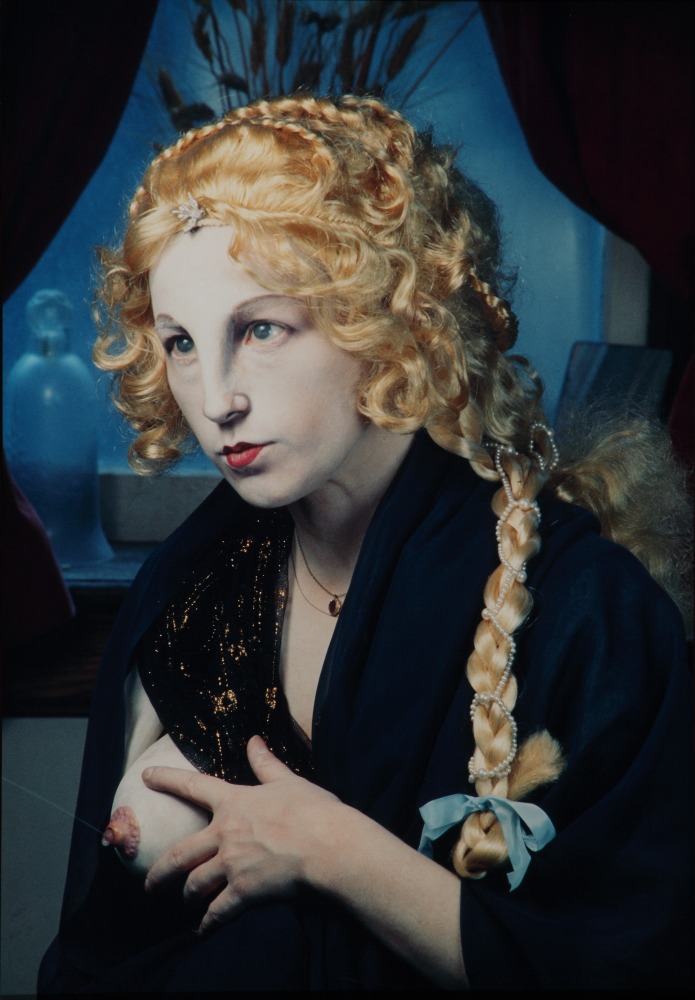
Noted radiologist and art collector Dr. H. Russell Albright (1934-2017) bequeathed his extensive and important photography collection to the New Orleans Museum of Art (NOMA), and left a fund to create an endowment in support of the museum’s Department of Photographs. Dr. Albright had a long and significant relationship with NOMA, filling many roles over the span of 30 years, ranging from Trustee to longtime Fellow. Read More
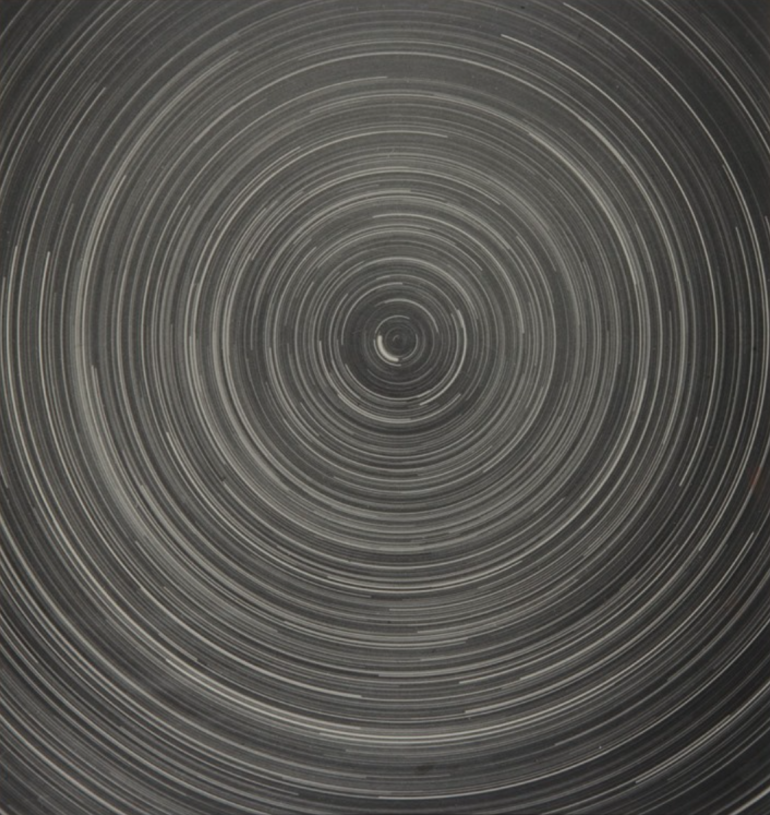
Maynard Walker’s photograph of North Polar Stars seems to trace the path of the stars through the night sky over a long period of time. What it actually records, of course, is our own planet earth spinning through space and time. Read More
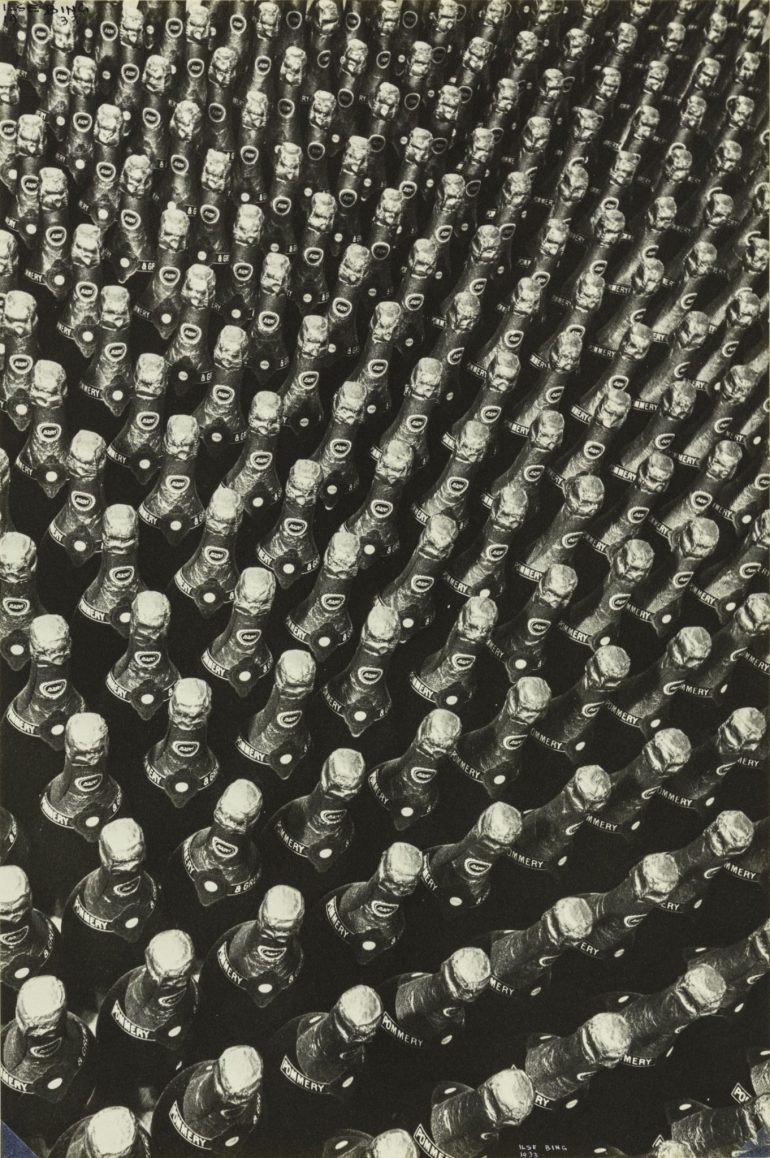
In 1933, as the company approached its 100-year anniversary, Pommery Champagne hired Ilse Bing to produce a series of photos documenting its production facilities in Reims, France. Even though she was ostensibly hired to sell more champagne Bing approached the job with the same creativity and avant-garde approach found in her personal work. Read More
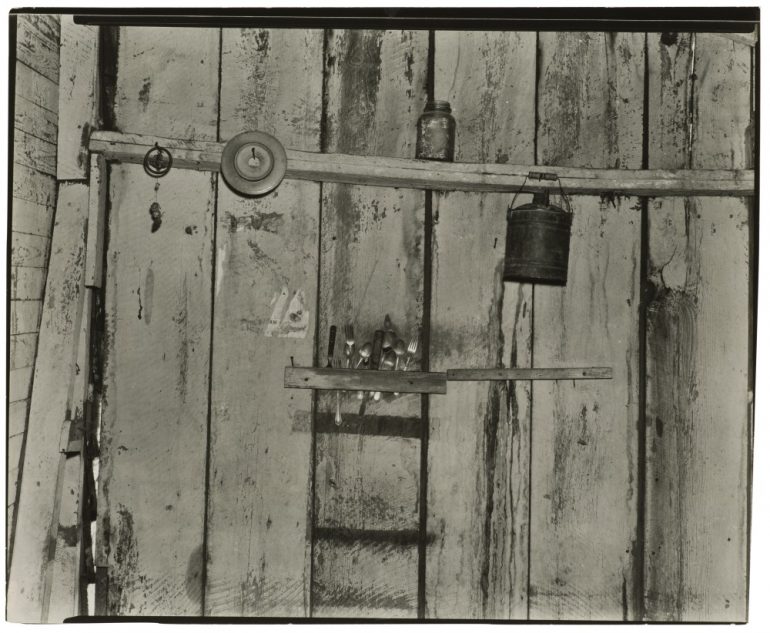
In the summer of 1936, Walker Evans and James Agee, on assignment from Fortune magazine, set out to chronicle the daily lives of typical sharecropper families in the American South. In Hale County, Alabama, they found three families—including the Fields—with whom they lived for a month, with Evans photographing and Agee writing about their lives and environments, including this photograph from the family’s kitchen. Read More
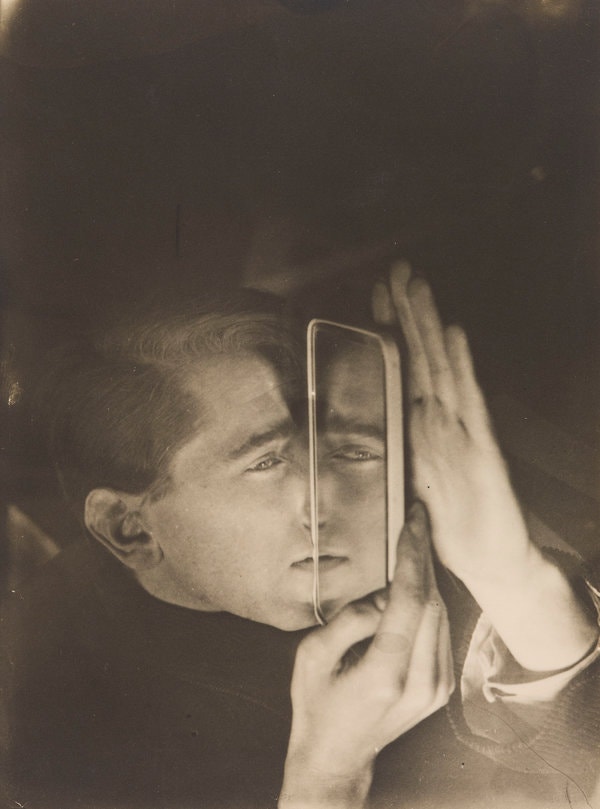
Lotte Stam-Beese’s portrait of fellow Bauhaus student Albert Braun reflects the innovative creative process nurtured by the Bauhaus School of Design in Weimar-era Germany. Read More