Menu

Object Lesson: Prohibition-Era Cocktail Shakers

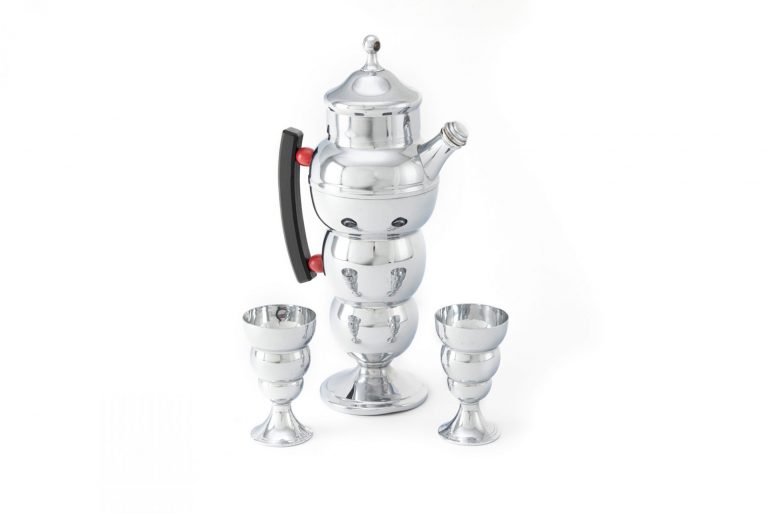
The distinctive swishing, clinking sound of ice cubes and liquid jostling inside a cocktail shaker is a joyful part of mixing up a daiquiri or a French 75. NOMA’s collection includes two American chrome cocktail shakers that date from around 1930, during an era known for the prohibition of alcohol in the United States. But with some irony, the Prohibition era slo saw Americans drinking more distilled liquor than they ever had before. Read More
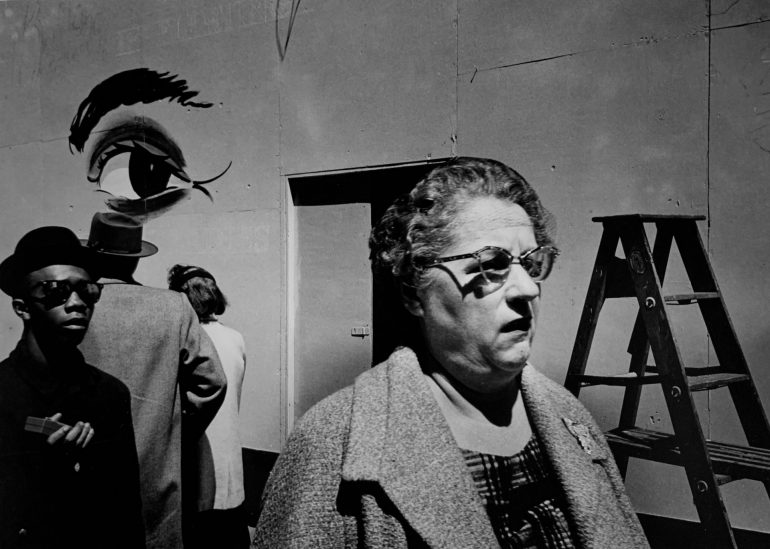
Object Lesson: Ishimoto Yasuhiro

In the United States, Ishimoto Yasuhiro is perhaps best known for his street photography—in particular his fascination with the people and environs of Chicago. This photograph is typical of Ishimoto’s street work, in that he most often turned his view perpendicular to whatever street he stood on (as opposed to looking down the thoroughfare towards a horizon) to better to capture the people and buildings that interested him. He rarely staged his photographs, but rather took notice of what was in front of him and carefully composed a picture in his mind. Read More

Redesigning Artful Minds for 2020–21

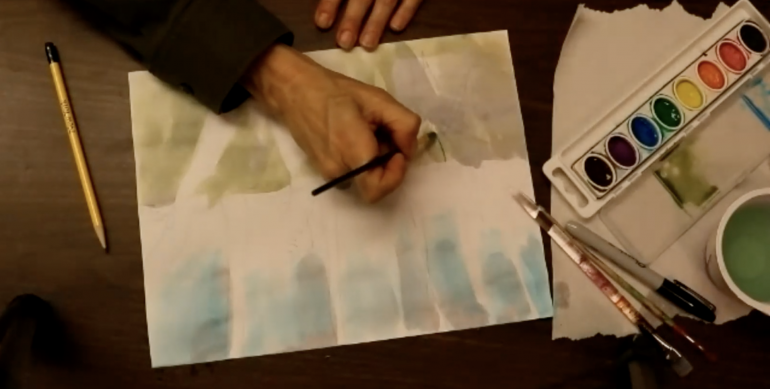
Since 2015, NOMA’s Learning and Engagement department has worked with Poydras Home to offer Artful Minds, a program for visitors with Alzheimer’s and other dementias and their caretakers. Typically, Artful Minds was offered nearly once a month. Poydras Home residents and their family members were able to visit NOMA in January and February 2020.  Then, like so many of the museums offerings during the coronavirus pandemic, it was necessary to redesign the Artful Minds program for the remainder of 2020. Read More

Object Lesson: Way Over There Inside Me (Ocean as a super throughway #4) by Torkwase Dyson

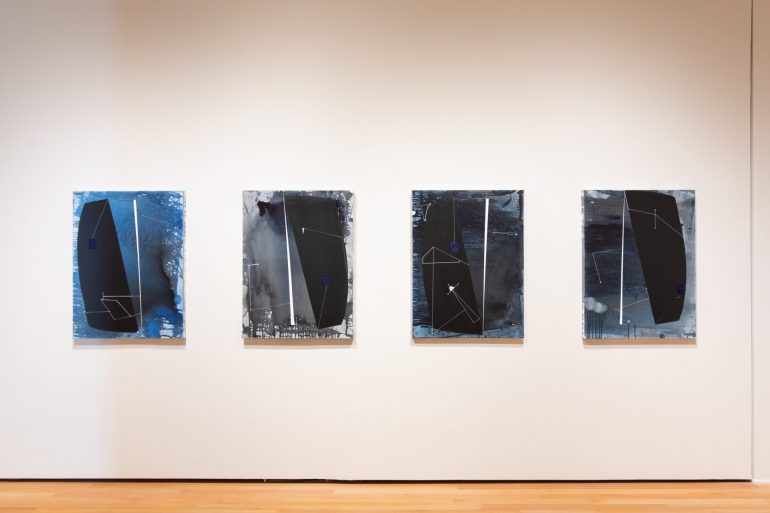
Way Over There Inside Me (Ocean as a super throughway #4) layers dense, minimal shapes, diagrammatic lines, and thick textures of graphite, acrylic, charcoal, and ink over washes of deep blue paint. Within her practice, Dyson has developed a unique vocabulary of abstract lines, forms, shapes, and edges inspired by the design systems of architecture, water infrastructure, the oil and gas industry, and the physical impact of global warming. Read More

Let’s Stay Connected